
Thought Leadership
- Posted by Roshan Solomons
- Categories Blog, Business
- Date May 21, 2026
- Comments 0 comment
Thought Leadership
Leading with Heart: Redefining Global HR in the Age of Intelligent Automation
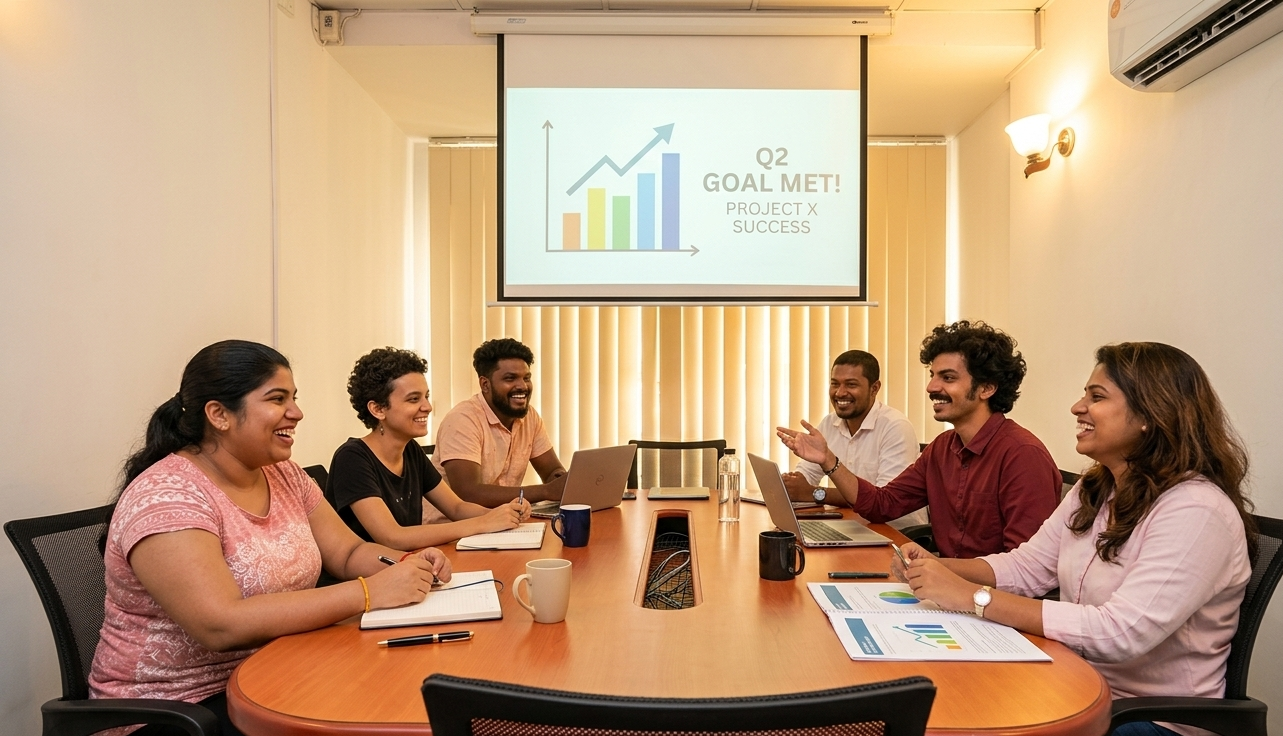
Yesterday marked International HR Day 2026, a milestone that arrives at a historic turning point for our profession. Human Resources has fundamentally transitioned from an operational back-office function into the central steering wheel of corporate strategy. As organizations navigate rapid technological shifts, economic fluidity, and evolving workforce dynamics, the Chief Human Resources Officer (CHRO) now sits firmly alongside the CEO and CTO to map out the future of corporate capability.
The theme for this year carries a profound truth: The future of work is agile, data-driven, and deeply human. Achieving sustainable growth requires a deliberate balance—leveraging technological innovation without losing trust, and embedding intelligence without sacrificing compassion.
The 2026 Global HR Landscape: Three Macro Trends
To lead effectively, HR professionals must understand the deep shifts currently reorganizing global workforces. The traditional frameworks of talent management are being replaced by dynamic, tech-augmented ecosystems.
| 2026 Global Trend | Strategic Impact | The Human Counter-Weight |
|---|---|---|
| Agentic AI Integration | Moving beyond basic rule-based automation to AI agents that understand context, predict turnover bottlenecks, and autonomously handle scheduling or initial talent screening. | Human Oversight: Relieving administrative burdens so HR professionals can redirect their hours toward high-value human interaction and coaching. |
| The Skills-Based Ecosystem | Rigid job titles and degree requirements are actively declining. Organizations are hiring, developing, and promoting talent based on verified, dynamic capabilities and internal mobility. | Inclusivity & Growth: Democratizing career pathways and recognizing non-traditional talent, allowing employees to align their personal career trajectories with actual business needs. |
| Mitigating Technostress | The persistent saturation of collaboration tools and continuous digital connectivity has made digital fatigue an operational risk, deeply threatening long-term retention. | Digital Well-being: Transitioning policies away from tracking raw daily output and moving toward monitoring long-term team capacity, mental fatigue, and continuous cognitive health. |
Radical Empathy: The Critical Strategy for 2026
With background stress remaining elevated globally, empathy has completely outgrown its old corporate label as a “soft skill.” In 2026, intelligent empathy is a core business requirement and the ultimate employee retention tool.
Empathetic leadership does not mean lowering accountability or compromising performance standards. Rather, it means managing people with a clear understanding of human realities. When employees feel consistently heard, valued, and psychologically safe, organizations see direct improvements across key performance indicators.
The Correlation Between Compassion and Performance
Highly empathetic organizations report significantly lower turnover, reduced rates of quiet quitting, and a marked increase in team innovation. Employees who feel supported are demonstrably more likely to voice unique ideas, take calculated risks, and actively invest in their company’s shared mission.
The Structural Roadmap: Embedding Empathy into Daily Workflows
For HR professionals looking to move empathy from an abstract corporate value into a measurable, daily operational reality, the implementation requires a deliberate approach.
i. Re-engineer One-on-Ones: Focus on the Human Element.
Shift regular check-ins away from being strict project status updates. HR must coach people managers to actively separate an individual’s personal worth from their performance metrics, asking qualitative questions like “What structural barriers got in the way this week?” rather than just “Why was this target delayed?”
ii.Audit Digital and Operational Overwhelm:Combat Technostress Directly.
Utilize real-time pulse surveys and engagement analytics to actively identify points of operational fatigue before they result in burnout. Establish transparent boundaries around response expectations outside standard working hours to preserve a clear mental distinction between work and personal life.
iii.Build Dedicated Psychological Safety Nets:Stigma-Free Support Channels.
Implement clear, easily accessible mental health support and feedback loops that protect employee trust. Ensure that when an employee steps forward to express professional exhaustion or personal difficulties, that vulnerability is strictly protected and met with immediate, actionable accommodation.
iv.Communicate Transparently Through Change:Provide Grounding and Context.
In periods of organizational restructuring or rapid AI adoption, avoid working in silos. Involve HR early in strategic decision-making to evaluate how major changes will impact morale on the ground. Deliver transparent communications that explain the why behind organizational changes, minimizing ambiguity.
Conclusion: Balancing Insight with Heart
The true differentiator for organizations in 2026 will not be their technology stack alone, but how seamlessly they combine data with empathy, and advanced automation with clear human judgment. As HR professionals, our primary mandate is to ensure that as our systems become significantly more intelligent, our workplaces become deeply and purposefully human.
By leading with authentic compassion, we can successfully guide our workforces through accelerated change—building sustainable cultures where individuals do not merely survive, but truly thrive.
Authoriy Builder | Business Influencer | HR Specialist | Talent Spotter | Team Builder | Trainer | Administrator | Industrial Relations & Compliance Expert | Forensic Investigator
You may also like
Inspired by Nature

The Ancient Blueprint for Modern HR
